Book Review: The Blueprint by Rae Giana Rashad

The Blueprint // Rae Giana Rashad

Complimentary review copy provided by publisher.

Set in a very near future in an alternate timeline where Civil Rights Movement never happened, instead a second civil war was fought in the mid-20th century. The United States was toppled and an overt white supremacist regime installed at the helm of the country now known as the Order whose federal seat now resides in Texas. In this reality Black citizens are categorized as Decedents of Slavery and controlled by the state; males are conscripted as soldiers to quell civil unrest throughout the land, often losing their lives in the process, females are assigned to white men for a period of five years at age 15, then married off to Black men, always used as the men see fit, and of course their main purpose a vessel for procreation.

The story follows Solenne who, at age 15, becomes entangled with Bastien, a high-ranking Order official being groomed as the next leader. Their relationship is controversial as Solenne, now aged 20, is not merely his assignment but instead lives as his concubine, both Bastien and Solenne believing love a part of their union. Intertwined with Solenne’s reality is a biography she is penning of her ancestor, Henriette, who was brought from Africa to be enslaved in America as a teenager in 1801.

The Blueprint is a compelling piece of speculative literary fiction with undeniable echos of The Handmaid’s Tale and historical relationships such as that of Sally Hemings and Thomas Jefferson. Rashad has created a feasible and recognizable world drawn not only from the roots of our history, but our present as well. This familiarity lends a fascinating and unsettling layer to the story as it explores themes of autonomy, choice, love, liberty, control, and power. There’s much to chew on here and all told with lyrical prose. I couldn’t put this down once I started reading.

Shop The Blueprint on Amazon | Bookshop

Book Review: The Book of the Unnamed Midwife by Meg Elison

The Book of the Unnamed Midwife // Meg Elison

As the title suggests this story is told predominately through the book, or diary, of an unnamed midwife. After a deadly virus kills off nearly the entire population an unnamed nurse-midwife wakes from her sickbed to a sparsely populated, apocalyptic world with male survivors outnumbering females ten to one; chaos and violence is rampant and survival is precarious, especially for females. Pregnancy and childbirth under these circumstances is inherently risky, further complicated as post-pandemic females are able to conceive and gestate, but their pregnancies do not result in live births.

The Book of the Unnamed Midwife reads like classic dystopic/apocalyptic literature. The structure of the story being framed through a historical document referenced by future survivors is reminiscent of The Handmaid’s Tale as is the limited point of view. I found this to be a strong offering to the genre and appreciated the feminist lens. Not eveything is clearly explained and not all questions answered (again, reminiscent of Handmaid), but to me, Unnamed Midwife feels like a complete, stand alone novel; I like the ambiguity. For readers who want more a second and third book have since published forming the Road to Nowhere trilogy.

5 Tips for Reading Classic Novels

How to Enjoy Reading Classics

This month I revisited Jane Austen’s Pride and Prejudice. I first read it in my very early 20s in 2008. After always hearing it heralded as one of the greatest love stories of all time, a favorite to many, I was unimpressed by my reading to say the least. While my review acknowledged the themes as timeless I also called it a chore to read (something I vividly recall now, more than 15 years later). At the time I found the characters flat, the story lacking depth, I had no idea why everyone thought this such a great novel. It was my first and last Austen. 

I’ve always wondered if circumstances at the time were to blame for my lackluster reading experience so I decided to do a reread and I loved it! My reading experience this time around was so different, and much for the better. 

I’ve always enjoyed classics, though in 2008 most all of the classics I had been exposed to were in an educational setting. While I was willing and interested to pick up classics on my own, I don’t think I had yet discovered what made for pleasurable classics reading for me outside of a classroom. More than 15 years and many classics later I’ve found strategies that work for me. 

5 Tips For Reading Classics:

  • Before reading take the time to gain context on the novel. I like to research historical events happening around the time the story was written, familiarize myself with social norms and customs of the time, etc. Searching “historical context for [title]” will typically yield useful results.  I find this information to be so helpful in understanding novels written many generations ago.
  • Research themes for the novel. Having an idea of what the author intends to explore within the story is very helpful context.
  • Read closely. A huge mistake I made with my first reading of Pride and Prejudice was to just read it straight through as I would any novel I was reading for pleasure. I find I get way more out of novels by reading closely; slowing down and making sure I understand as I go. Pride and Prejudice is a subtle, nuanced novel. The reason I found it flat the first go around is because of the way I read it. In my experience classics typically require closer reading as the language, norms, and events are less familiar than contemporary books.
  • Which brings me to my next point: annotate! Just because you won’t be required to write an essay after reading doesn’t mean it isn’t helpful to highlight, underline, makes notes in the margins. I love to note impactful passages, parts where the themes really show themselves, big plot points, etc. This aids me in deeper understanding. For this purpose I love to buy a cheap (I’m talking <$5) used copy so I can feel comfortable marking it up to my heart’s content.
  • This brings us to my #1 tip: Read with friends. I think classics lend themselves really well to a buddy read or book club type setting, but especially a buddy read! Read along with someone who is willing to discuss and tease the story apart as you go. This helps with clarification, understanding, and just deeper enjoyment of classic stories. Discussing afterwards is also useful for deeper appreciation/understanding, but I find the insights that come from real time discussion have more impact. I find having a reading buddy (or a few!) provides motivation, support, and really adds a lot of value to reading classics.

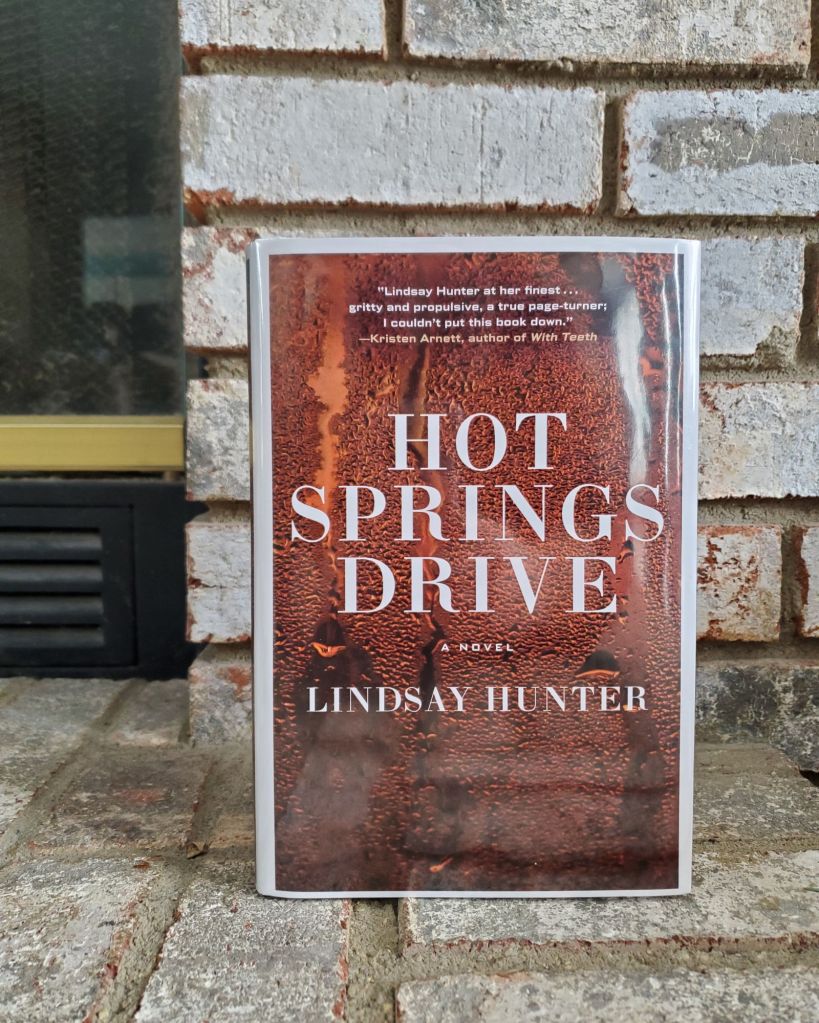
Book Review: Hot Springs Drive by Lindsay Hunter

Hot Springs Drive // Lindsay Hunter

From Roxane Gay’s publishing imprint a literary domestic crime thriller of mother/womanhood, marriage, families, and relationships.

Hot Springs Drive swirls around the friendship of two, early middle-aged women; neighbors, each with husbands and children. Betrayal begets violence rippling out to impact everyone in both families.

Told from multiple perspectives (including that of a house, I loved this!) with everyone involved lending perspective and layers of development. The magic of this story lies in the depth and masterful definition of a broad cast of characters. I loved the writing style and couldn’t turn pages fast enough!

I actually listened to parts of this book on audio (thanks Libro.FM for the complimentary audiobook!) Because I just couldn’t put it down! It’s great in both print and on audio.

Shop: Amazon|Bookshop

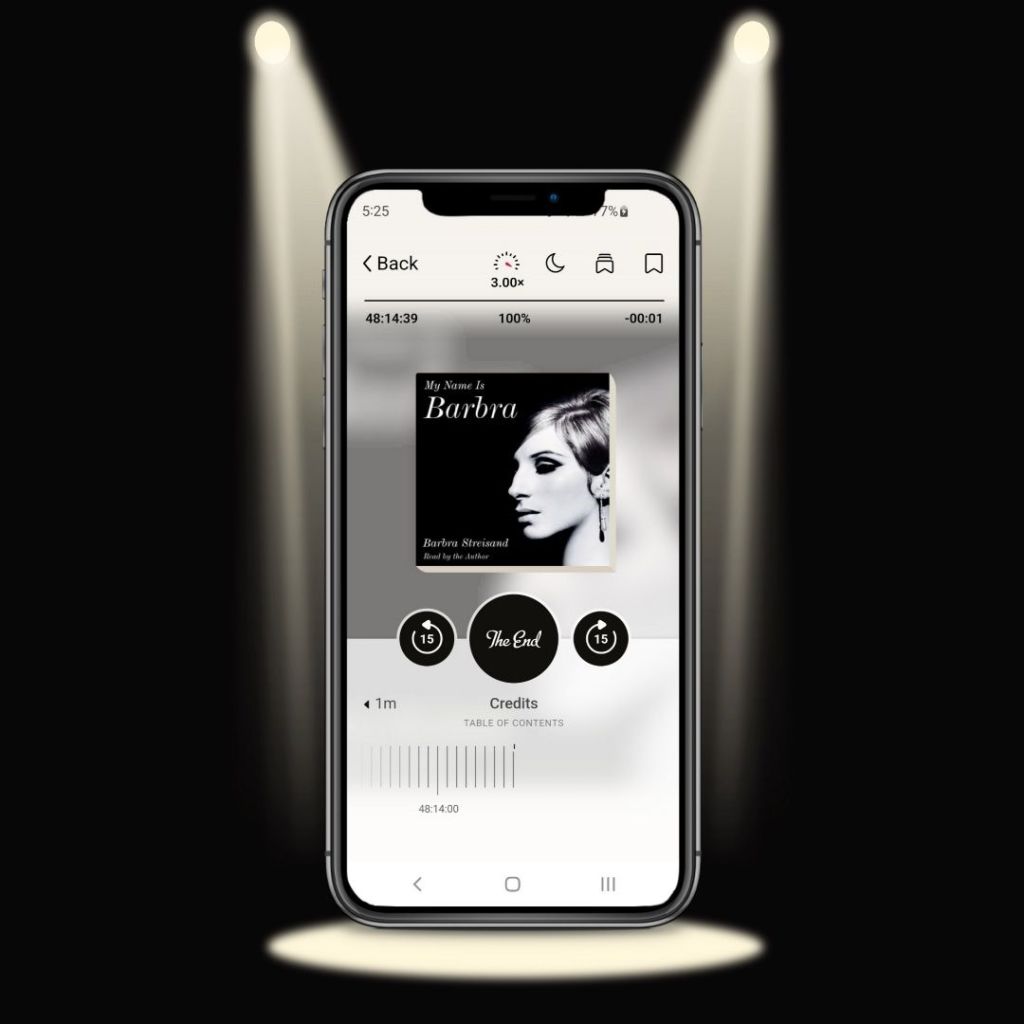
Audiobook Review: My Name Is Barbra by Barbra Streisand

My Name is Barbra // Barbra Steisand

{#partner @prhaudio}

Let me start out by saying I set this book aside at least 2x before I really sank into reading it, but then I ended up loving it!

Let me also say, I am not a Barbra Steisand superfan, I know she is a legend and has had a long and illustrious career and I was interested to learn more.

Well, Barbra really ended up winning me over with this memoir and after spending 48 hours of audiobook time together I feel like we’re good friends. (It’s sort of a one-way friendship, but still!)

My Name Is Barbra feels like sitting down with Steisand over a cup of coffee, or some good deli and listening to her recall in detail her 8 decades of life and 6 decades in the entertainment industry. And really it’s such a treat! Authentic, honest, frank, conversational, and comprehensive My Name is Barbra is an excellent memoir and incredible on audio as Steisand herself narrates and includes audio clips of her music when relevant.

If you’re a Barbra Steisand fan, if you are interested in feminist pioneers, if you enjoy a good memoir, you’ll love this!

Consider me now a fan!

Book Review: Moon of the Crusted Snow by Waubgeshig Rice

Moon of the Crusted Snow // Waubgeshig Rice

In the depths of winter an Anishinaabe community in remote northern Canada experiences a blackout. With satellites down and communication with the outside impossible they assume the blackout will be temporary until two members living off the reservation make their way home with news the blackout is widespread and society is breaking down in the cities.

Moon of the Crusted Snow offers an apocalyptic tale from a slightly different point of view, which is brilliant, making it both familiar and unique. What if, yes, our current world were to end, but what if this allowed for societies constrained by the current order to once again flourish?

And that’s not to say this community exactly flourishes during the story, they encounter much of the same situations any community would encounter if a breakdown of this type were to occur, but their culture, traditions, and logistics find them relatively better positioned. The circumstances posed allow for an examination of how First Nations communities have been weakened, but also what traditional strengths they retain that become, once again, essential when modern infrastructure no longer exists.

At just over 200 pages Moon of the Crusted Snow is a quick, atmospheric read perfect for winter. There is a sequel coming to the U.S. in late February 2024 and I definitely plan to pick it up!

Tell me: do you read more front or backlist books?

I am forever trying to resist the siren call of new releases and pay attention to backlist books languishing on my TBR. Moon of the Crusted Snow published in 2018.

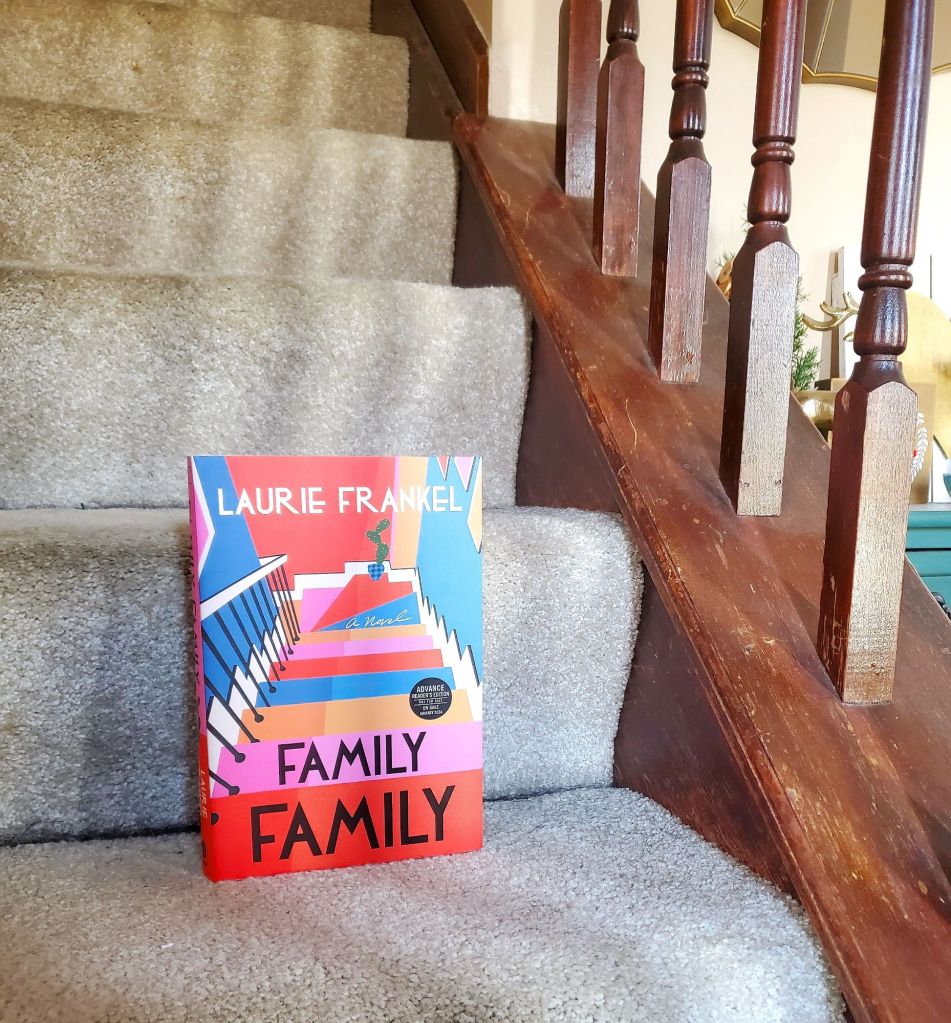
Book Review: Family Family by Laurie Frankel

Family Family // Laurie Frankel

India Allwood is a recognizable actress, the lead in a popular television show and preparing for the release of her first movie, a tragic prestige drama about adoption and addiction. Amid a social media driven squall about whether the movie portrays adoption properly India stirs up a hurricane by admitting she doesn’t like what the movie has to say either.

Suddenly she’s a trending hashtag and at risk of being cancelled, both publicly and in her career. But what isn’t widely known is she’s intimately acquainted with adoption. From here the story unfolds in two timelines, the week of India’s social/media nightmare and beginning 16 years in the past following a teenaged India into adulthood. You might have preconceived notions of what to expect from this book (I know I did), but you’re likely to be surprised as it unfolds (as I was.)

Family Family {#gifted, thanks @henryholtbooks} is a complicated, sprawling family saga, as all are, about India’s FAMILY family, the people connected to her through blood and choice, those who are drawn to India’s side during her very public crisis. Just as Laurie Frankel offered a nuanced, empathetic look at a family navigating a child’s transgender identity with This is How it Always Is, so too does she offer a similar treatment with adoption in Family Family a story that is challenging (in the best way), authentic, quirky, and heartwarming.

Tell me: if you became a trending hashtag what would it likely be for?

Mine would be something related to a trending aspirational reading lifestyle, obvi #CozyBookHermitChic

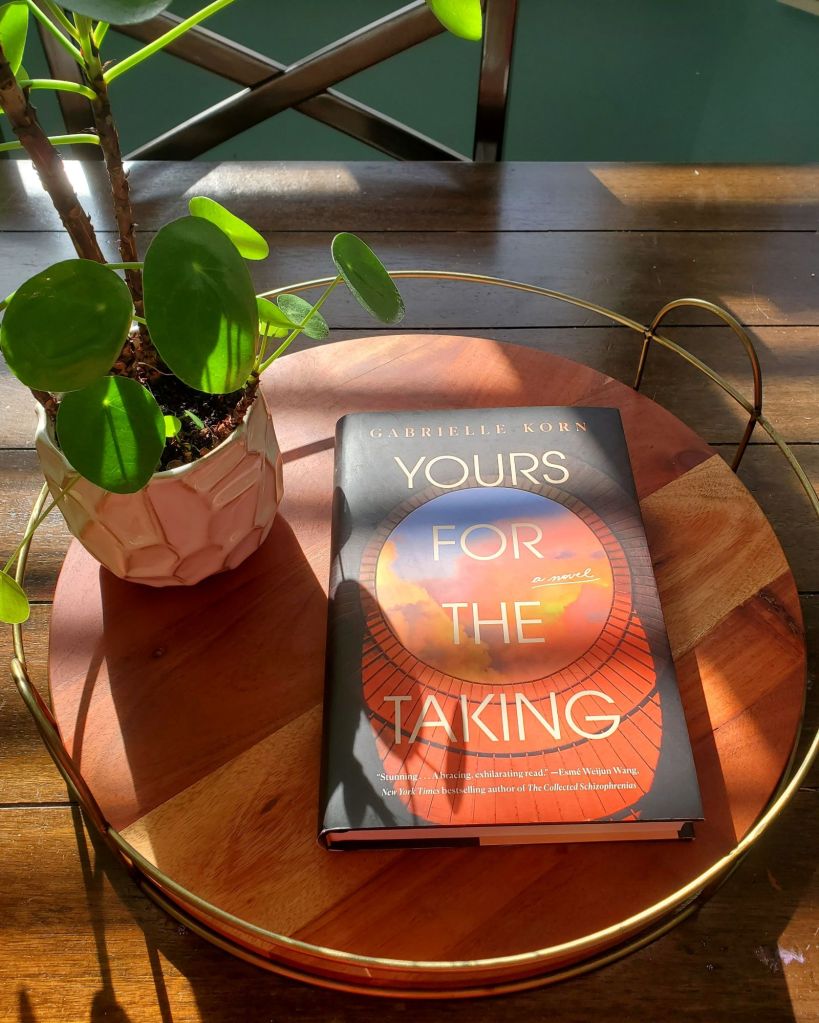
Book Review: Yours for the Taking by Gabrielle Korn

Yours for the Taking // Gabrielle Korn

A generation forward on the same path we’re currently trekking finds a world suffering even more extreme consequences of climate change driving a select few to enter protected weather-proofed indoor communities to ensure survival. One such community, located in New York City, is founded by #GirlBoss billionaire CEO and fourth-wave feminist Jacqueline Millender whose Inside Project space is furnished with soft pinks and mauves filled with a disturbing number of white, educated, upper middle class women, and founded on the idea that in order to heal our world the patriarchy must be eliminated. While Millender decamps with the other 1%ers to spaceships orbiting our dying planet her feminist utopia upstart slides towards a dystopic future.

Yours for the Taking {#gifted @stmartinspress} offers some truly interesting ideas for consideration about power structures, systems of stratification and exploitation, and the necessary elements for a functional society. While I really dug the concepts I do wish I had found the narrative a little more compelling. Still plenty to appreciate here and I hear there is a forthcoming sequel, which I’d be interested to read.

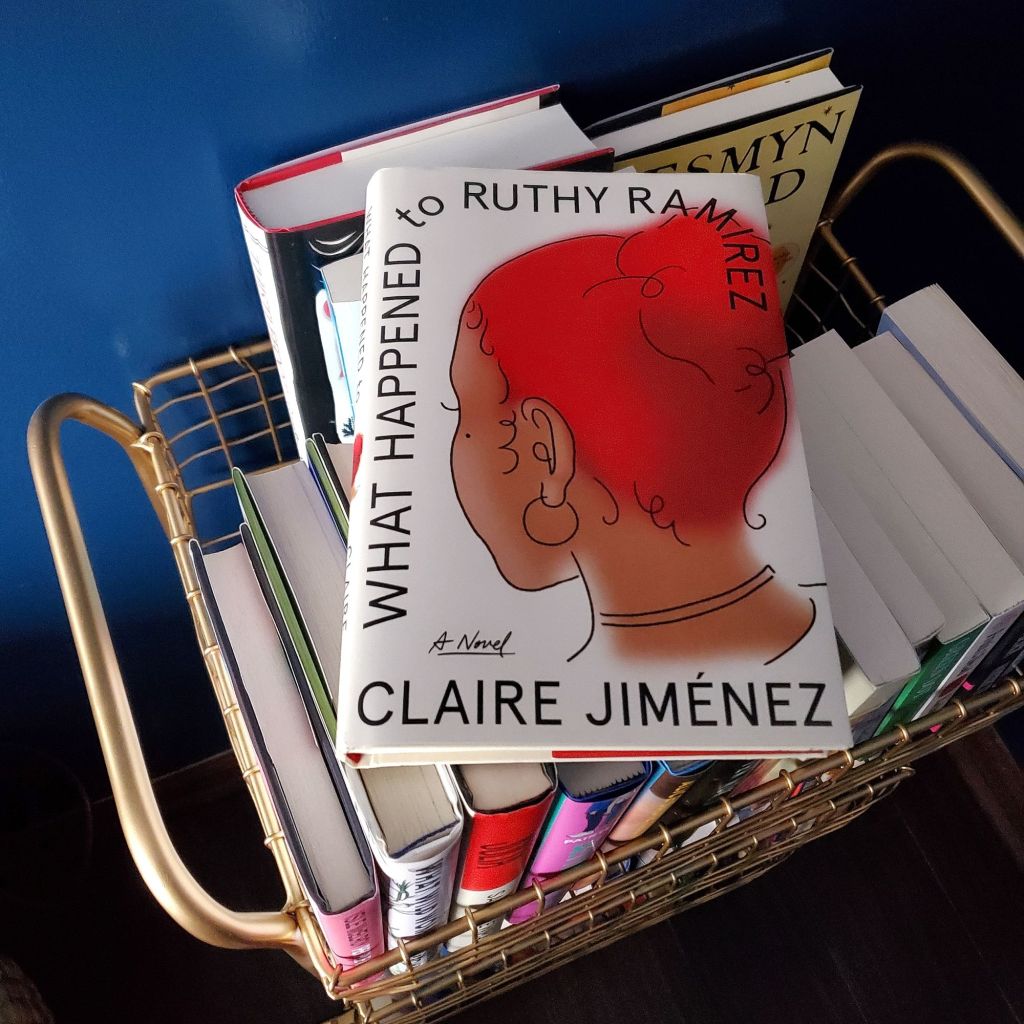
Book Review: What Happened to Ruthy Ramirez by Claire Jimenez

What Happened to Ruthy Ramirez // Claire Jimenez

In 1996 13-year-old Ruthy Ramirez, the middle of three sisters, never returns home from track practice. Her Puerto Rican Staten Island family never found out what happened and understandably never moved past the loss.

12 years later, in 2008, Ruthy’s now adult sisters, Jessica and Nina, think a contestant on a reality television show called Catfight might be their long lost sister, renewing their hope she’s still alive.

What Happened to Ruthy Ramirez {#gifted @grandcentralpub} is really a character study of a family of women living in the specter of loss. The story bounces between 1996 and 2008, both periods far enough in the past to be recognizably nostalgic.  The characters feel very alive and the mystery at the center of the story keeps the plot moving, it’s really quite well crafted and very readable if a little light on overall impact.

Reading Goals: Beyond the Numbers

It’s common to hear “reading goal” and immediately think about an overall number goal. Goodreads is probably the best known reader-specific platform and their annual reading challenge encourages readers to kick off the new year by pledging to read a certain number of books a year. 

While I find it incredibly satisfying to see that little bar on the tracker tick up closer and closer to my annual goal (which I always set as the number of books I read the year previously, FYI) reading is about SO MUCH MORE than the number of books you read in the year. And your goals can, and arguably should, be about more than just a number.

Reading Goal Ideas

  • Read one classic a quarter
  • Participate monthly in a book club or read along (either a private or public one like Good Morning America, Read with Jenna, or other celebrity club)
  • Read an entire awards short- or longlist
  • Read one unread book from your shelves per month
  • Purchase and read one new book from your local indie (or bookshop.org!)
  • Read a different genre every month
  • Read books written by authors of a different background every month (try books in translation, or writers from underrepresented groups)
  • Read for 30 minutes a day (or whatever amount of time works for you)
  • Read every day before looking at anything on your phone (or just opening your preferred social media app)
  • Read one borrowed book per month (whether that be from a friend or your local library)
  • Read one book a month recommended by a friend
  • Read aloud daily/weekly/quarterly to your kids
  • Read one debut author per month
  • Read a favorite author’s entire backlist
  • Read one non-fiction book per month
  • Track all of your reading (whether this by in a journal, app, or spreadsheet)
  • Write reviews for every book you read (even if they’re short!)
  • Read around the world (try a new story setting or author country origin each month)
  • Complete a reading challenge (POPSUGAR comes immediately to mind, but there are many others out there)
  • Read a book set in each season while in that season
  • Read one chunky book per quarter
  • Read a book inspired by each heritage month paired with that month
  • Read one author of color each month
  • Read 20 pages per day
  • Read a biography for each U.S. president
  • Only read books that you own or borrow, no new purchases for the year
  • Try a new format (audiobooks, e-books)
  • Read a book to film/tv adaptation and watch the movie
  • Read a book and cook a meal inspired by it
  • Host a buddy read, read along, book club, or reading sprint
  • Re-read a favorite from previous years or childhood
  • Judge a book by its cover (pick a book at random based on cover alone)
  • Second chance (revisit a book you did-not-finish previously)
  • Read a fiction and non-fiction book pairing (these books could share a setting, topic, time period, etc.)
  • Read a retelling and the original that inspired it
  • Read a book published in your birth year
  • Read the book that has been on your TBR the longest
  • Try a new genre
  • Read a book published in your birth year
  • Learn to do something new from a book

Some of these reading goals are year long endeavors, some are one offs, more of a mix and match, choose-your-own-adventure variety. All can be scaled up or down depending on your needs. Is one classic a quarter too easy? Aim for one a month! As I said previously, an important part of setting reading goals is evaluating yourself as a reader and targeting your goals for your individual needs.

What are your reading goals for 2024?